
Elon Musk once again stirred the global conversation with his thought-provoking outlook on humanity’s future. During the U.S.–Saudi Investment Forum in Washington, he described a world transformed by artificial intelligence and robotics, one where traditional work becomes optional. According to him, future generations might view jobs as hobbies rather than necessities, much like tending a garden or playing a game.
He explained that automation could handle nearly every task. “Work will be optional,” Musk noted, comparing future labor to recreation. This idea aligns with his broader mission to evolve Tesla into a global leader in robotics and AI, far beyond its electric vehicle roots.
A Bold Bet on Robots and AI
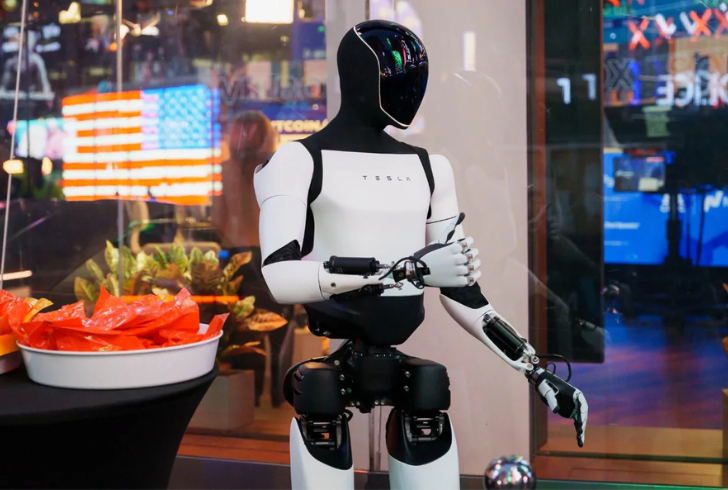
Musk believes Tesla’s future value lies in its humanoid robots, named Optimus. He predicts that around 80% of the company’s worth could one day come from these advanced machines. Although development has faced delays, Musk remains confident that technology will soon make most human labor redundant.
Yet, not everyone shares his optimism. Many workers see AI not as liberation but as a looming threat. Entry-level employees and younger generations already feel the pressure of automation as machines increasingly replace human roles.
Recent studies show that Gen Z wages have stagnated, raising concerns about an expanding wealth gap. As technology reshapes industries, economic inequality may widen even further.
Rethinking Money in a Machine-Driven Age
Musk’s predictions go beyond automation. He envisions a post-scarcity world where money itself becomes obsolete. Drawing inspiration from Iain M. Banks’s science-fiction works, he referenced societies where intelligent machines handle all production and currency disappears.
In real-world terms, Musk suggested a version of “universal high income.” Similar to Sam Altman’s universal basic income idea, it would provide financial security even when human labor holds less economic value. However, the details remain unclear. Building such a system requires massive coordination, resources, and political will, challenges that won’t vanish overnight.
The Human Side of Automation
While technology advances rapidly, the emotional and social consequences of a “work-optional” world raise complex questions. Research shows that work provides more than just income. It builds community, creates structure, and gives many people a sense of identity.
If robots perform most jobs, societies will need new ways to find purpose and belonging. Humans may need to rediscover fulfillment through creativity, relationships, and learning.
Musk himself acknowledged this shift, urging people to prepare mentally and socially for an era where meaning comes from more than paychecks. After all, progress isn’t just about replacing effort with efficiency, it’s about redefining what it means to live well.
Wealth, Power, and the Uneven Future
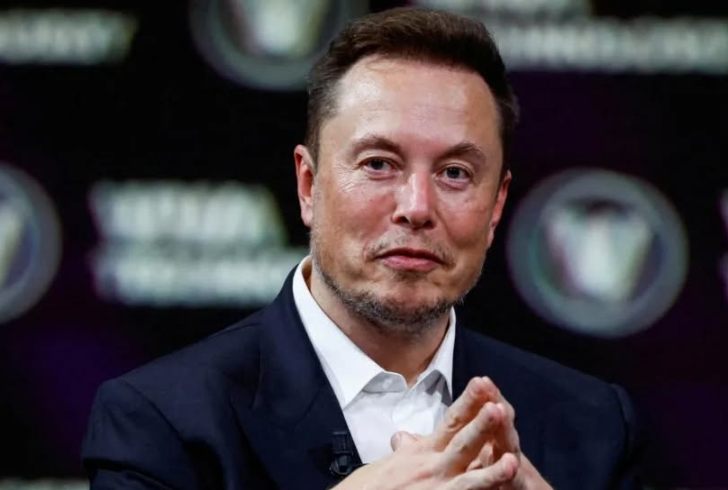
Another concern centers on who benefits most from this technological revolution. The world already sees widening gaps between tech giants and everyone else. Companies like those in the “Magnificent Seven”, including Tesla, continue to capture outsized wealth and influence.
Musk recently made headlines for a potential $1 trillion pay package, underscoring just how concentrated wealth has become in the tech world. Meanwhile, earnings expectations for other major corporations have steadily declined.
This imbalance raises an essential question: will AI-driven prosperity lift everyone, or only a few? Musk insists that his long-term goal is to build tools that benefit humanity. Yet, achieving that vision requires ethical leadership and policies that distribute opportunities fairly.
Technology’s True Limits
Although Musk’s ideas sound futuristic, the path to a fully automated world remains complex. Robotics faces cost barriers, reliability issues, and public skepticism, and many industries cannot yet replace human labor with machines. Advanced AI also has limitations in judgment, emotion, and adaptability.
Experts warn that overreliance on automation could weaken critical human skills such as creativity, empathy, and problem-solving—abilities machines cannot replicate. Maintaining a balance between innovation and humanity will be crucial as technology evolves.
Even in a society where work and money lose meaning, people will still need purpose. Technology may free society from labor, but it cannot replace meaning, curiosity, or human connection. Musk’s vision of a robot-powered world invites both hope and caution, challenging humanity to ensure progress uplifts rather than divides.